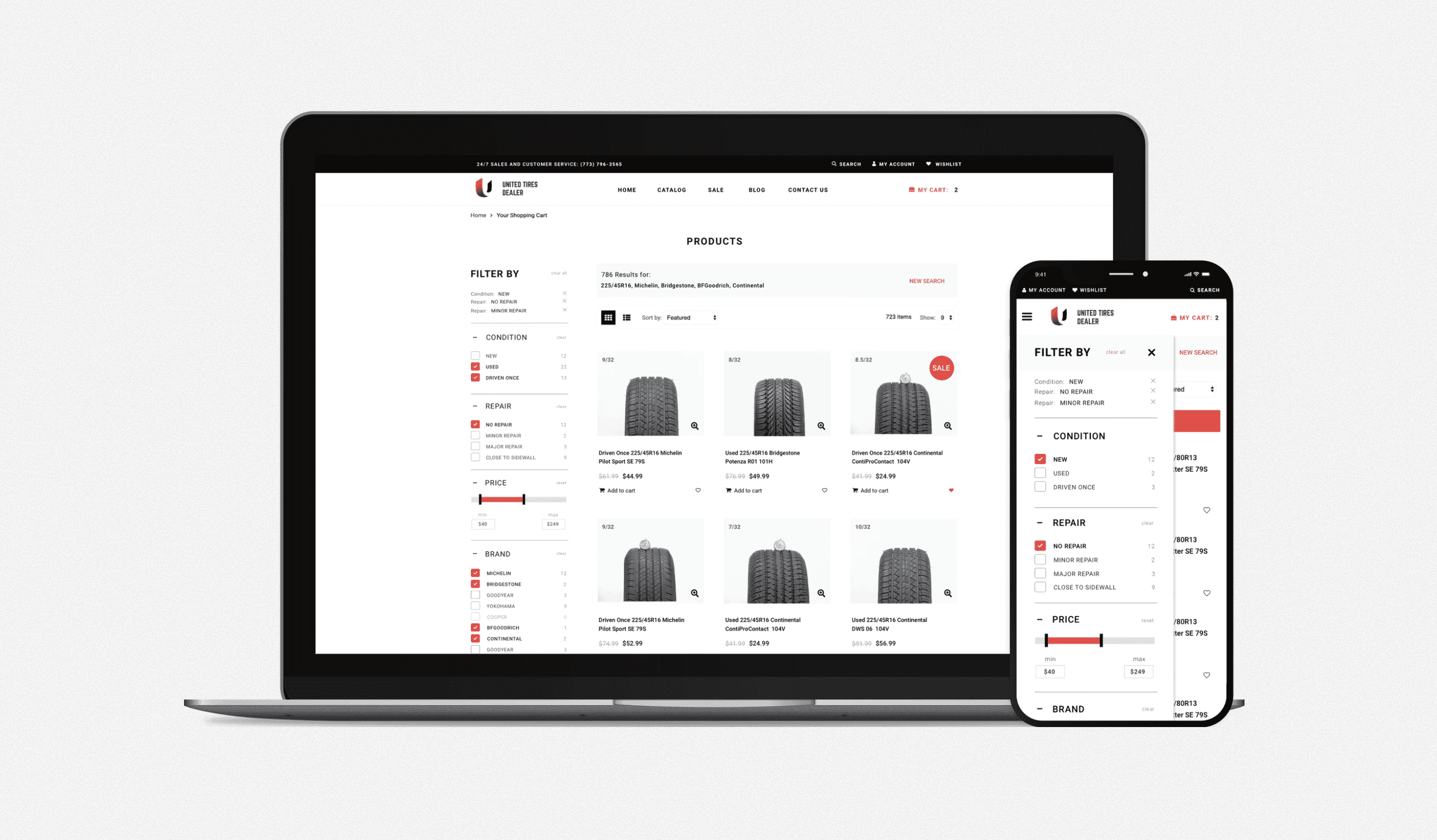
Designed the first self-serve ordering portal for a B2B wholesale distributor whose growing partner network was entirely dependent on phone calls to one sales manager. The core challenge: buyers in this industry trusted personal relationships, not digital interfaces. I ran 12 on-site field visits to understand how partners actually made purchasing decisions, and used those findings to design a platform that moved the business from sales-assisted ordering to self-serve. 100+ businesses onboarded within 6 months of launch.
" height="1px" id="eqmcWiMUn" stroke-dasharray="0" stroke-linecap="round" stroke-linejoin="round" stroke-width="1" stroke="rgb(170, 170, 170)" width="958px"/></svg>)
Field Research · Information Architecture · UI Design & Prototyping · Usability Validation
The problem
A growing B2B channel with no way to scale
United Tires was building out a wholesale channel, partnering with local tire shops and used car dealerships across the region. The business had a strong value proposition: local inventory, fast delivery, better pricing than national distributors. The partner network was already growing.
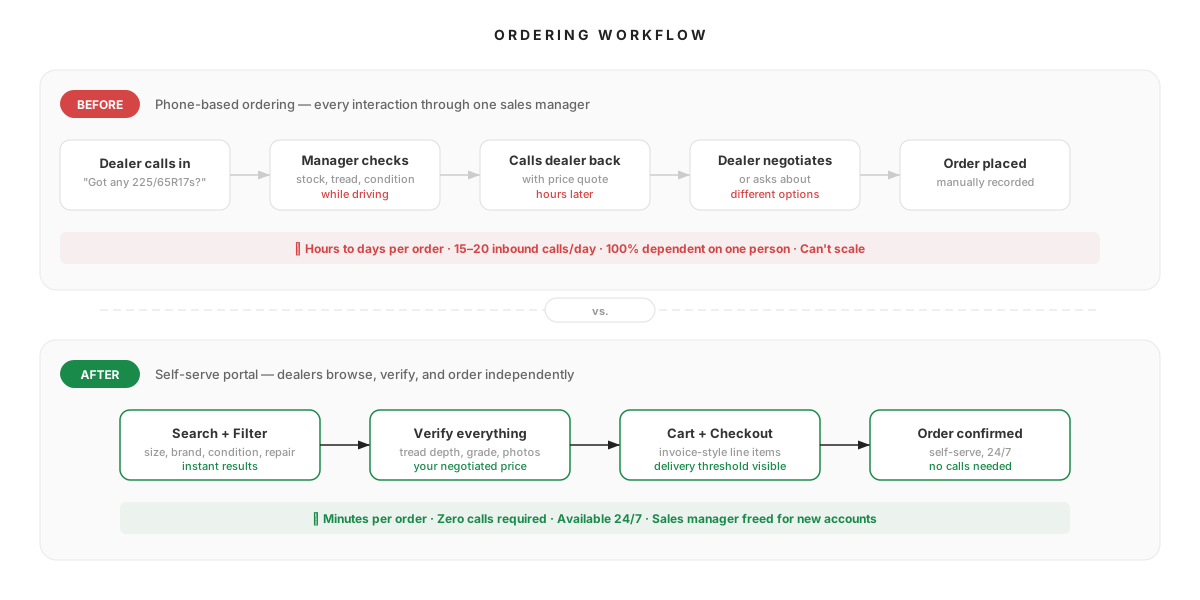
But every wholesale interaction still ran through one person. The sales manager was handling 15–20 calls a day from partners asking about stock, condition, pricing, and availability. That number doesn't sound dramatic on its own, but he was also the person driving between locations, processing existing orders, and trying to sign new accounts. Every call he spent answering a routine inventory question was time he wasn't spending on business development. The operational work was crowding out the growth work.
The cost wasn't just internal. When a partner had their own customer in front of them asking about a product, they needed to check our inventory and pricing right then. If the sales manager was driving or on another call, the partner was stuck waiting for a callback while their customer was deciding whether to stay or walk. Our bottleneck wasn't just slowing down our operations, it was costing our partners their own sales.
And the wholesale side of the business was about to scale significantly. There was no system in place to absorb any of that volume. The company needed to move from a fully sales-assisted model to one where partners could self-serve for routine transactions.
Field Research
What 12 on-site visits to dealerships and tire shops revealed
I traveled with our sales manager to 12 locations across the region, a mix of small tire shops and used car dealerships. Instead of remote interviews, I went on-site and watched how they actually worked. I sat in back offices while they placed orders with other suppliers, looked at their handwritten supplier lists, and asked owners what mattered to them when choosing who to buy from.
What I found
1. We weren't replacing a broken system. Most shops already had 2–3 wholesale contacts they'd worked with for years. They weren't looking for a new supplier. We had to give them a reason to add one more.
2. Phone calls were about trust, not just information. Dealers didn't call suppliers only to check stock. They called to talk, get recommendations, feel out whether this was someone they could rely on. The phone call itself was how trust got built. Moving to self-serve meant losing the interaction that made them comfortable ordering in the first place.
3. Previous bad online experiences had made them skeptical. Multiple owners told me they'd tried ordering tires online from smaller companies before. Listings were inaccurate, tires showed up in worse condition than described, and there was nobody to call when it went wrong. So they stopped. They went back to phone calls with people they knew.
Two buyer profiles
Small local tire shops
Ordered almost the same quantity and same popular sizes every couple of months. Price-sensitive, always looking for the best discount on predictable, repeating inventory.
Used car dealerships
Ordered irregularly, only when they were getting new cars for sale. Needed specific sizes for specific vehicles, not bulk quantities. Valued speed and availability over volume pricing.
The insight
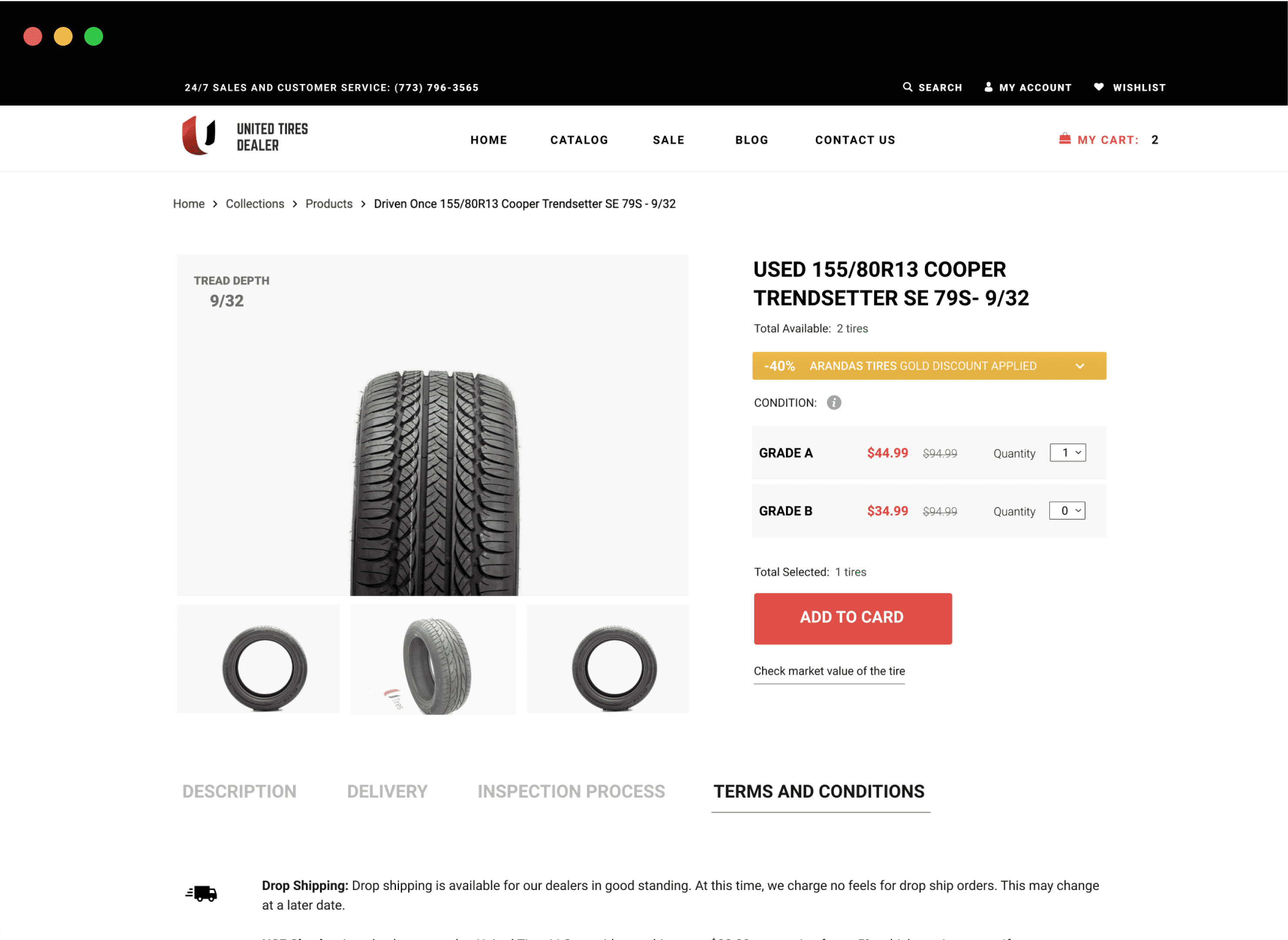
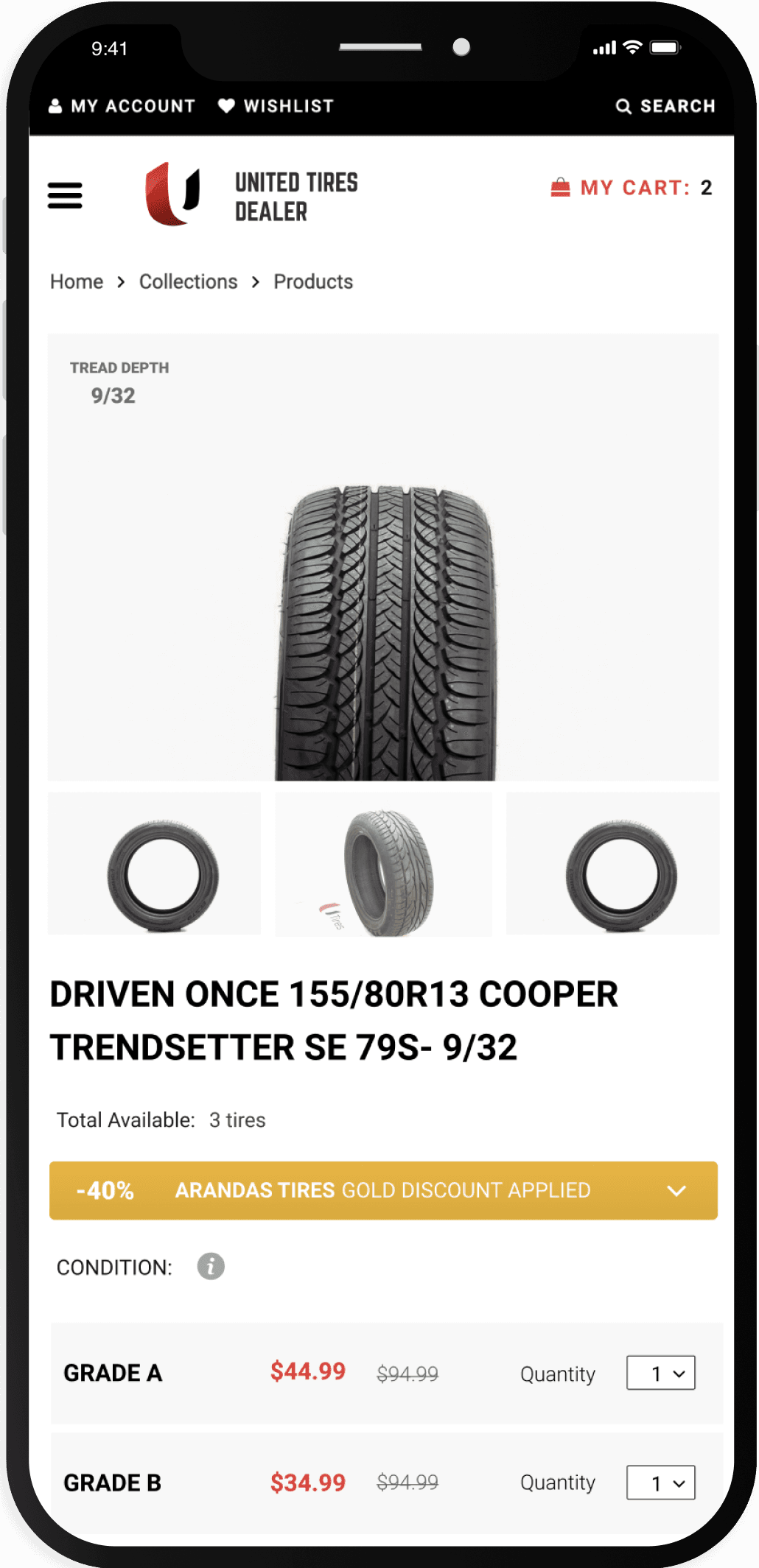
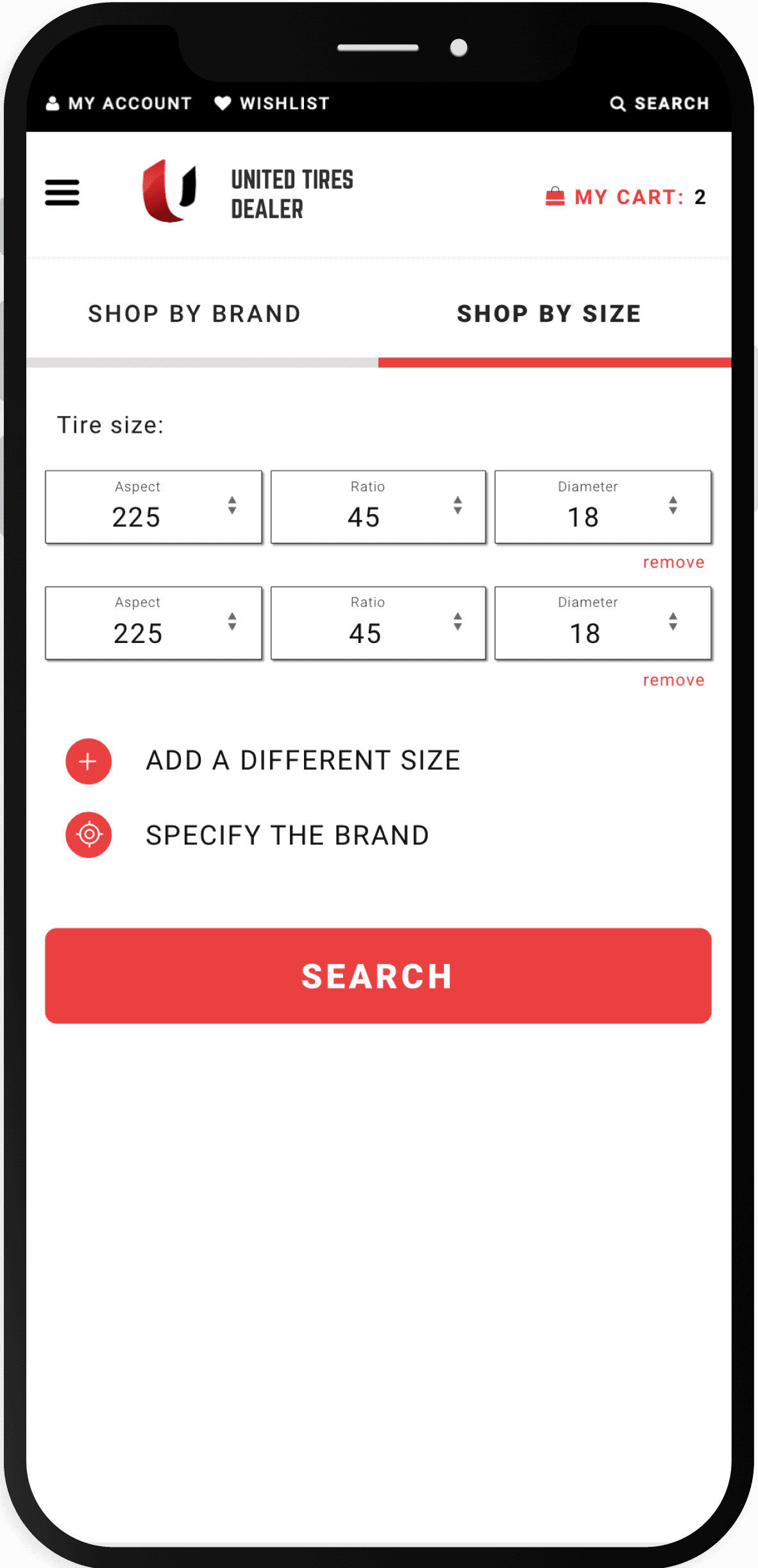
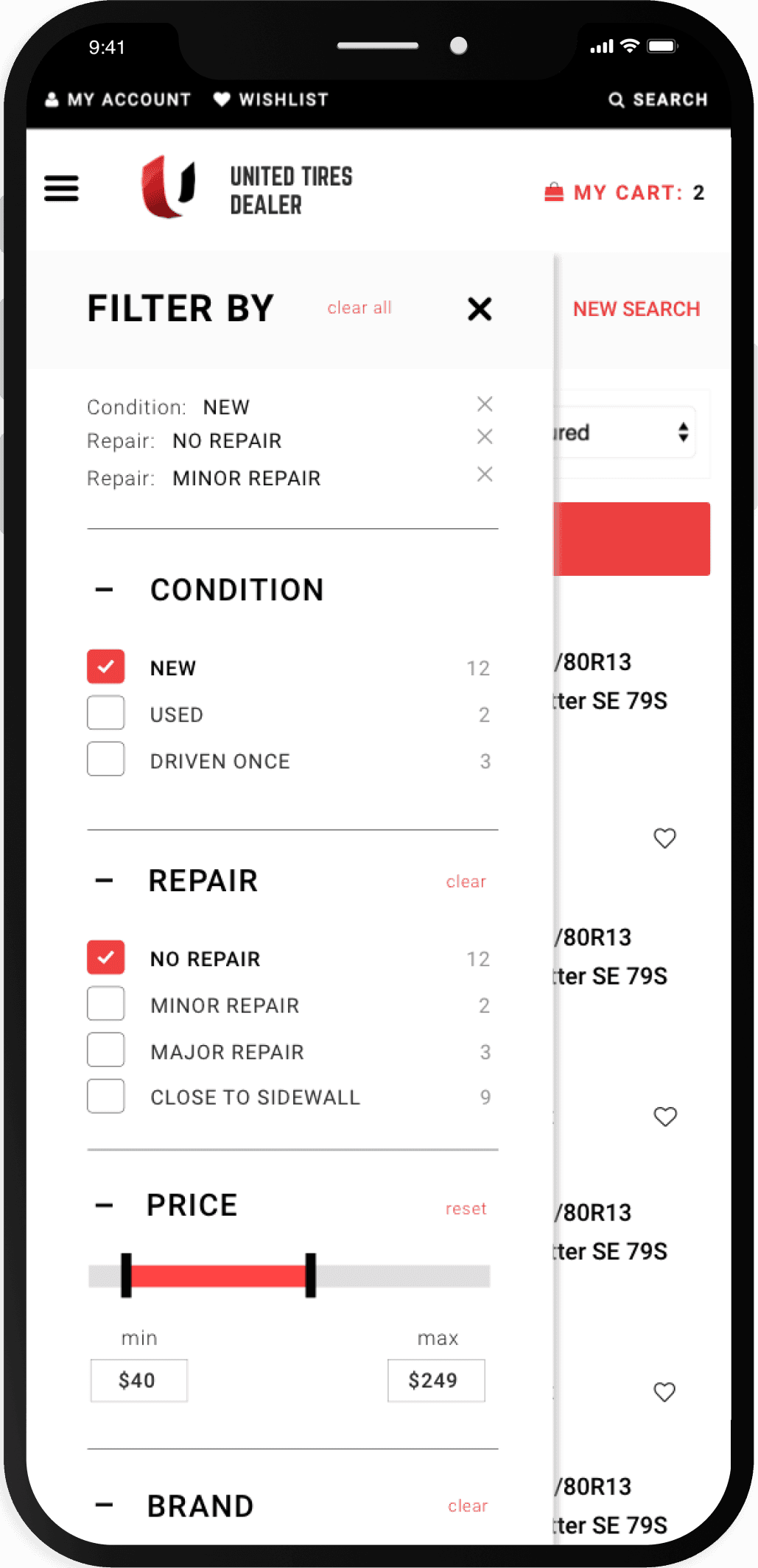
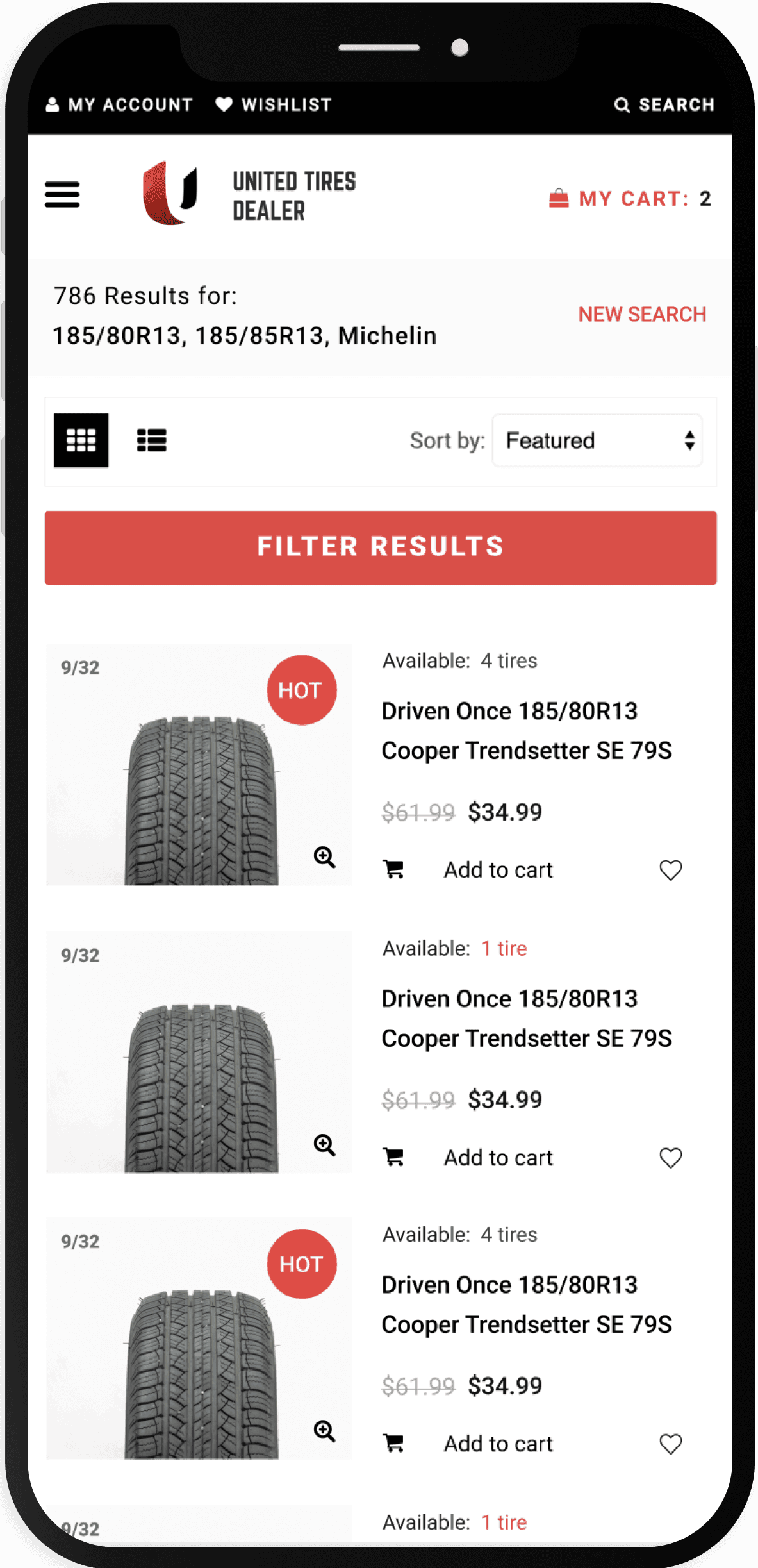
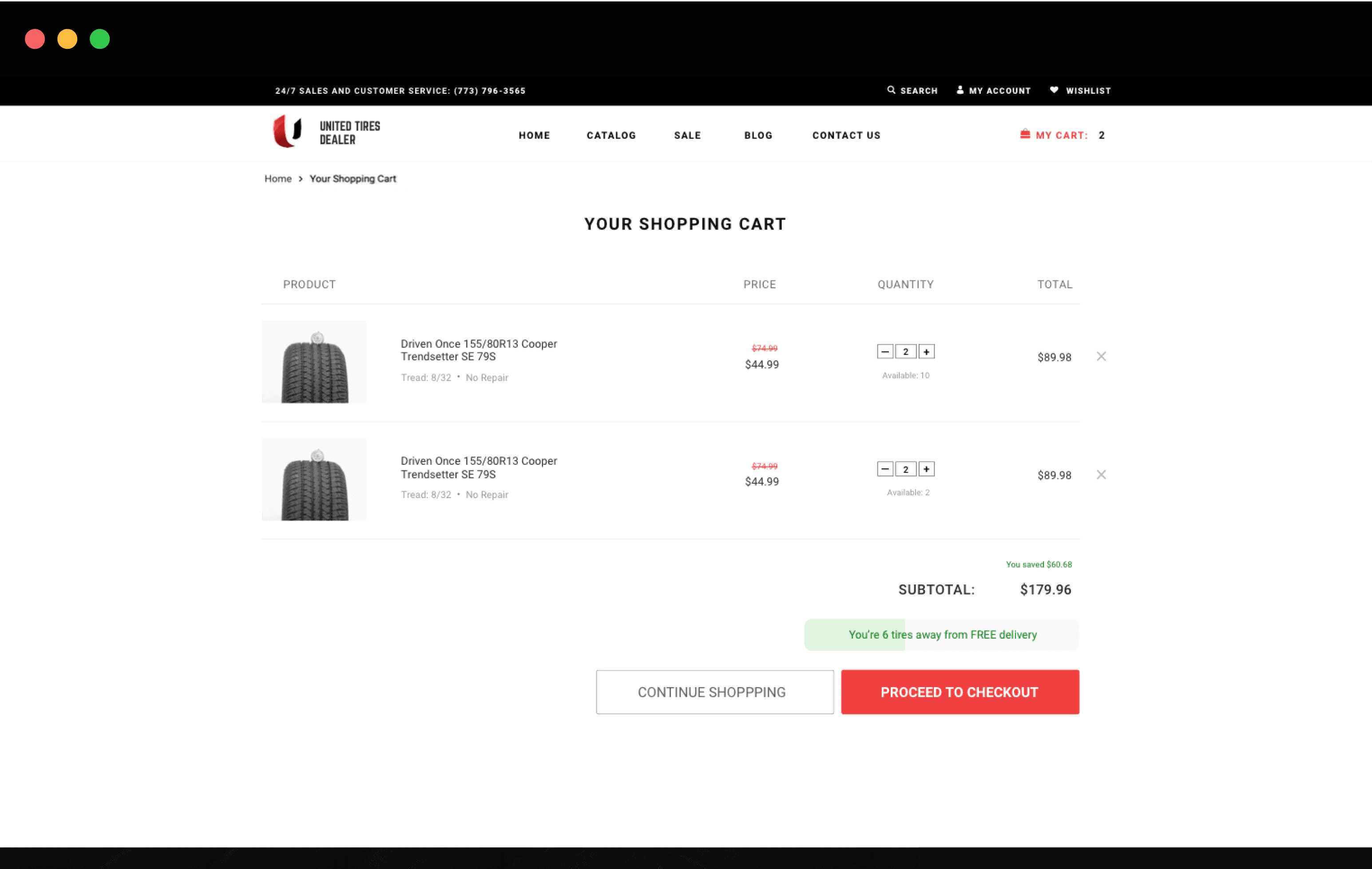
We couldn't just move the phone call to a screen. The interface had to earn the same trust that personal relationships provided. In B2B, that trust comes from transparency: showing buyers exactly what they're getting, with nothing hidden behind clicks or vague descriptions.
Core Design Principle
"Offline confidence" – If a dealer would normally call to ask it, the interface should answer it without clicking.
100+
UX/UI Design
Creative Direction
Strategy
B2C
Automotive
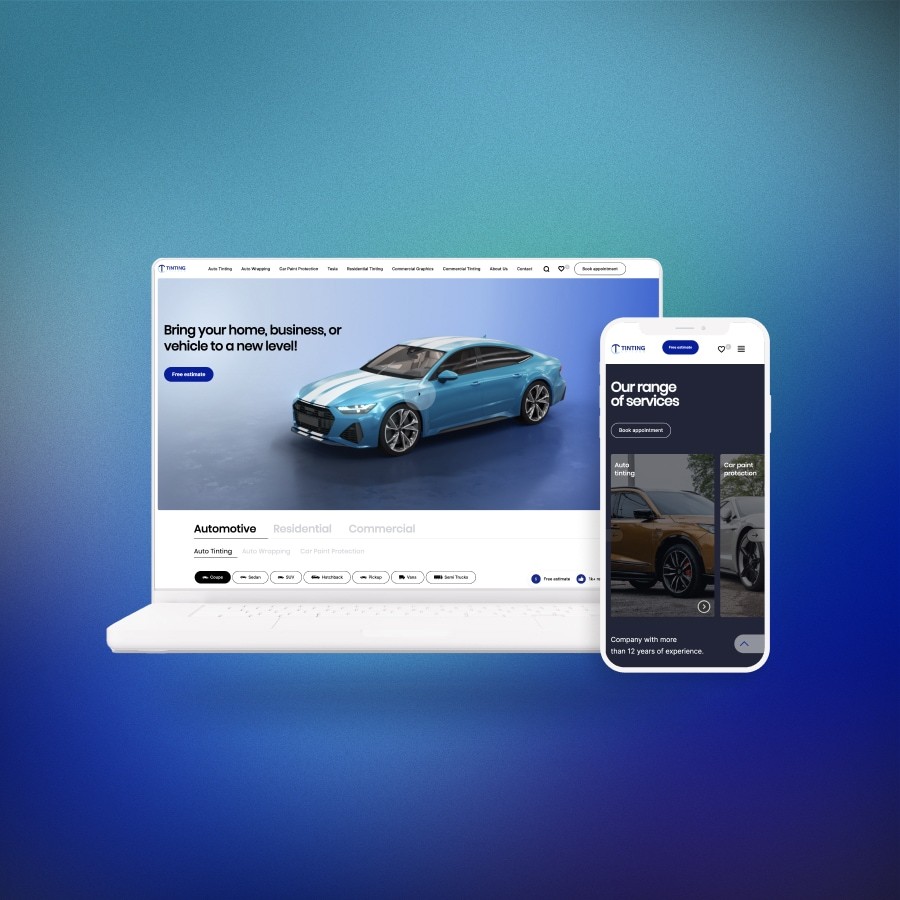
Turned a high-ranking site into a high-converting one. Rebuilt the information architecture, redesigned user flows, and directed all new visuals. Increased conversion by 54%, cut bounce rate by 31%, and kept every #1 Google ranking.
Product Design
Development
Nonprofit
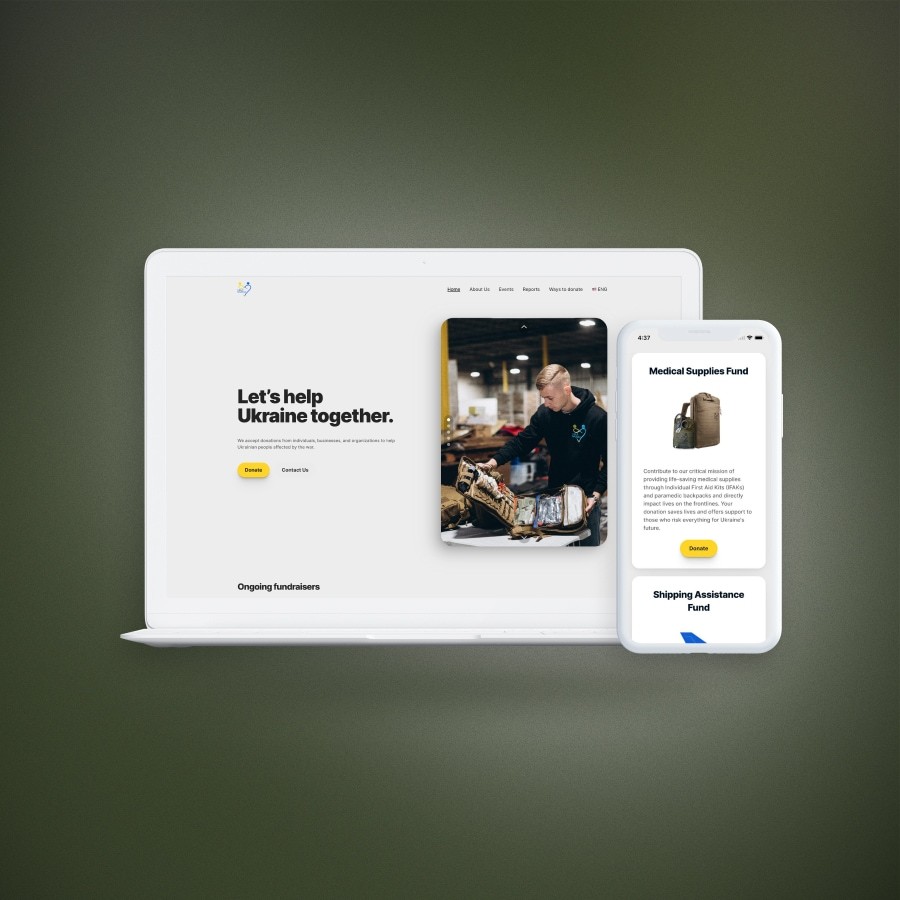
Designed and built a donation platform that's processed over $500K+ with a 3-year donor retention rate. Shipped in 4 weeks as a crisis response when hundreds of people wanted to help Ukraine but had no way to give.